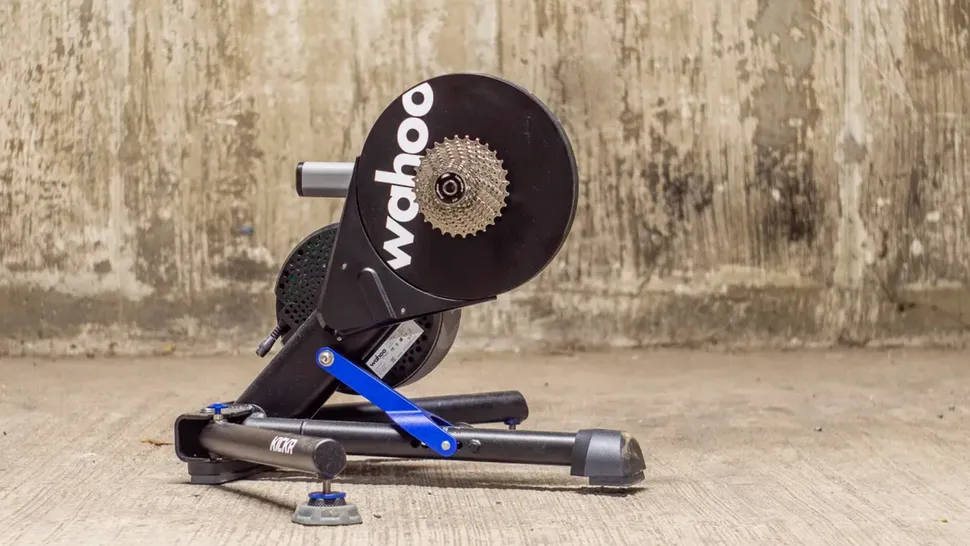
The indoor riding corner in a garage, spare room, or basement used to feel like a compromise: noisy, expensive, and easy to ignore once spring came back. That is why the Wahoo KICKR Core Trainer getting serious price attention matters for American cyclists who want real winter miles without buying a full smart bike. The appeal is plain: you remove the rear wheel, lock the bike onto a stable direct drive trainer, connect to apps like Zwift or Wahoo SYSTM, and ride with controlled resistance instead of guessing by feel. Wahoo’s official support notes the Core as a 40-pound smart trainer built around a realistic, accurate, quiet ride feel. For riders watching family budgets, race goals, or bad-weather training windows, the story is not only about a cheaper box. It is about the point where a premium indoor cycling trainer starts to look like a normal fitness purchase. That shift is worth tracking, especially for readers who follow practical gear and consumer trend coverage before they buy.
Why This Price Drop Feels Different From a Normal Bike Gear Sale
A discount on cycling gear is common. A discount that changes how people think about an entire category is rarer. Smart trainers spent years sitting in that awkward zone where serious riders loved them, casual riders admired them, and many households decided they cost too much for something used beside a laundry basket. The Core sits right in the middle of that tension.
The old trainer math was hard to defend
For years, a good indoor setup had to compete with too many other bills. You could buy a gym membership, a used spin bike, winter clothing, or a cheaper wheel-on trainer. That made even a strong smart trainer deal feel like a luxury unless you already had a training plan.
The Core changes the math because it is not a throwaway upgrade. A direct drive trainer gives you better road feel, less tire slip, and cleaner power control than a basic rear-wheel unit. You are not buying noise reduction alone. You are buying a training tool that can hold target watts during intervals and make a 45-minute ride count.
Here is the quiet catch: the lower the price gets, the less sense the cheap option makes. That sounds backward, but it is true. If the gap between a basic trainer and a proven smart model shrinks, the cheaper unit stops being the safe buy. It becomes the one you may replace first.
American riders are buying convenience, not only fitness
Most U.S. cyclists are not training like pros. They are fitting rides between work calls, school pickup, weather swings, and weekend plans. A 6 a.m. session in Ohio or a late-night ride in Phoenix needs to start fast, or it will not happen.
That is where the Core earns attention. It keeps your outdoor bike involved without turning the setup into a science project. Once the cassette, axle, and app pairing are sorted, the trainer can live in a corner and wait for the next ride. That matters more than spec sheets admit.
The non-obvious part is that a lower price may help consistency more than motivation. When gear feels financially sensible, riders stop treating every session like it must prove the purchase. They ride, miss a day, come back, and keep going. That is how an indoor cycling trainer becomes part of a routine instead of a guilt machine.
What the KICKR Core Trainer Price Says About Smart Trainer Value
The biggest signal is not that one product got cheaper. It is that the middle of the market is getting squeezed from both ends. Basic trainers look less tempting, while top-tier units have to work harder to justify their premium. That puts the Core in a strong spot for buyers who care about performance but do not want a showpiece.
The deal matters because the baseline was already strong
The Core was not an unknown model waiting for a discount to earn trust. Wahoo positioned it as a data-driven trainer with broad app support and proven flywheel design. That matters because a sale on weak gear is a trap. A sale on gear people already trust is a different event.
Recent sale coverage around Wahoo’s newer Core 2 model showed pricing near $399 during a limited Zwift promotion, while retailer and official listings around the Core family have often sat higher outside promo windows. For shoppers, that creates a new mental anchor. Once you have seen a capable smart trainer near that range, paying full price later feels harder.
That does not mean every deal is equal. Some bundles include a cassette. Some include Zwift Cog and Click. Some may need extra parts before your bike fits. The headline price is the bait; the real price is what it costs to ride on day one.
A smart trainer deal can beat a cheaper trainer over time
A bargain only works if it survives your habits. A cheap wheel-on trainer can be fine for easy spinning, but it often asks for more patience. Tire pressure matters. Roller tension matters. Noise can annoy the whole house. Power feel may drift.
A smart trainer deal on a direct drive unit reduces those excuses. It still takes setup, but once dialed in, the ride feels more controlled. During a structured workout, that control becomes the point. You stop chasing numbers and start holding them.
A real example helps. Say a rider in Chicago wants to stay fit from November through March. A cheaper trainer may save money up front, but if it gets used six times because it is loud and clumsy, the savings are fake. A trainer that costs more but gets used twice a week through winter can be the better deal by February.
That is the angle many deal posts miss. Price history matters, but habit history matters more.
Who Should Buy It Before the Next Indoor Season Rush
A lower price does not mean every rider should jump. The Core makes the most sense for people who already know they want to ride their own bike indoors and care about structured training, app rides, or repeatable workouts. If you want a couch-friendly machine with a giant screen, this is not that.
Road, gravel, and tri riders get the cleanest fit
The best match is a rider who already owns a decent road, gravel, or tri bike and wants indoor work to feel close to outdoor riding. The Core lets that bike become the center of the setup. Your saddle, reach, pedals, and fit stay familiar.
That familiarity is underrated. A lot of indoor fitness gear fails because it feels separate from the sport people want to do outside. With a direct drive trainer, the same body position carries over. Your hips, knees, and contact points are not learning a second language.
Compatibility still needs care. You should check axle type, cassette speed, app choice, and floor space before buying. Wahoo’s official FAQ is worth reading before checkout because it lays out trainer details, setup notes, and hardware expectations in one place. A deal feels less sweet when you need a part you did not budget for.
Casual riders may still get more than they expect
The Core is not only for racers. A casual rider who wants a steady way to move through winter can gain a lot from it, provided they enjoy riding a real bike. That last part matters. If you dislike your bike outside, you will not magically love it indoors.
A smart trainer can make effort easier to understand. You see watts, cadence, simulated hills, and route changes. For some riders, that turns exercise from a vague chore into a small task with feedback. Ride 30 minutes. Hold a range. Finish.
The counterintuitive bit: casual riders may benefit more from smart resistance than competitive riders do. Racers already know how to suffer. Newer riders need help staying engaged without overcooking the first ten minutes. Controlled resistance can keep them honest.
For anyone building a home pain cave, pair the purchase with an indoor cycling setup guide before adding fans, mats, tables, and screens. The trainer is the engine, but the room decides whether you use it.
How to Judge the Deal Without Getting Pulled by Hype
A strong price can make people hurry, and that is where mistakes happen. The better move is simple: judge the full setup, not the discount banner. Indoor cycling gear has too many small parts for impulse buying to be painless.
Check the bundle before you compare prices
Two prices can look identical and still buy different experiences. One package may include an 11-speed cassette. Another may use Zwift Cog. Another may be trainer-only. If your bike needs a cassette and the cheaper box lacks one, the deal gap shrinks.
Also check shipping, returns, warranty coverage, and whether the item is new, reconditioned, or open box. A reconditioned trainer from a trusted source can be a smart purchase. A mystery marketplace listing with weak return terms is a gamble.
The cleanest comparison is total ride-ready cost. Add the cassette, tools, mat, sweat guard, fan, app subscription, and any axle adapter. Then compare. This protects you from the oldest retail trick in bike gear: a low entry price with the real bill hiding nearby.
App choice should shape the purchase
The Core works with major training apps, but your preferred platform should still guide the buy. Zwift riders may care about virtual shifting options. Structured workout fans may care more about ERG feel. Outdoor route riders may want easier pairing with head units or planned sessions.
Wahoo’s broader trainer line also affects the decision. The higher KICKR models can offer more premium features, such as stronger accuracy claims or extra connection options. For many home riders, those perks are nice but not necessary. The Core’s value is that it delivers the main indoor training experience without chasing every luxury.
A buyer in Denver who rides outside three days a week may not need the top unit. A rider in Minnesota who spends five months indoors and races online may feel differently. Good buying advice should leave room for both.
Before checkout, read a bike trainer buying checklist, confirm your drivetrain, and decide where the trainer will live. If the box arrives before the plan, frustration arrives with it.
Conclusion
The best cycling purchases are rarely the flashiest ones. They are the ones that remove friction from the ride you already wanted to do. A lower price on the Core matters because it brings serious indoor training closer to regular riders, not only racers with spare rooms and deep gear budgets.
Still, the Wahoo KICKR Core Trainer should be judged by fit, bundle, and use case rather than discount size alone. A strong sale can turn it into an easy recommendation, but only when your bike matches, your app choice makes sense, and your home setup supports repeat use. The smartest buyers will look past the headline, price the full kit, and think about February, not only checkout day.
If the numbers line up, this is the kind of trainer that can make winter feel shorter and spring legs feel less borrowed. Buy for the rides you will repeat, not the deal you want to brag about.
Frequently Asked Questions
How much should I pay for a Wahoo Core smart trainer?
A strong sale price sits well below normal retail, but the right number depends on the bundle. Compare trainer-only, cassette, and Zwift Cog versions before deciding. Add any axle adapters, tools, shipping, and app costs so the final price reflects a ride-ready setup.
Is a direct drive trainer better than a wheel-on trainer?
Yes, for most riders who care about feel, noise, and controlled workouts. A direct drive trainer removes the rear wheel and gives steadier resistance. Wheel-on models can cost less, but they often need more adjustment and can feel less steady during harder efforts.
Does the Core work well for Zwift?
Yes, it is a common choice for Zwift because it supports smart resistance and app-controlled riding. Your exact setup depends on the bundle you buy. Some versions may need a cassette, while Zwift Cog packages focus on easier virtual shifting.
Can beginners use this indoor cycling trainer?
Yes, beginners can use it, especially if they already own a compatible bike. The main learning curve is setup, not riding. Once connected, app-guided workouts can help new riders pace better and avoid starting every session too hard.
What bikes fit the Wahoo Core?
Many road, gravel, and tri bikes can fit, but you need to check axle spacing, cassette speed, and drivetrain type. Do this before ordering. A great discount can become annoying if an adapter or cassette delays your first ride.
Is the Core quiet enough for an apartment?
It is quiet compared with many older trainers, but your drivetrain, fan, floor, and building structure still matter. Use a trainer mat, keep the chain clean, and avoid hard sprint sessions late at night if neighbors share walls or floors.
Should I buy the Core or wait for a newer model?
Buy when the price, bundle, and compatibility match your needs. Waiting can help if you want newer connection features or a better promo. Buying now makes sense when winter training, rehab, or fitness goals would benefit from immediate use.
What else do I need for a home trainer setup?
Plan for a strong fan, floor mat, towel, water bottles, front wheel block if needed, and an app subscription. A small table for your phone or laptop helps. The trainer matters most, but comfort decides whether you keep riding.

Related Posts