A good grill gift has to do more than look impressive under wrapping paper. The Traeger Scout is drawing attention because it sits in a rare middle lane: small enough for a pickup bed, camper storage bay, or apartment patio, yet serious enough to cook with wood pellets instead of treating outdoor meals like an afterthought. That is why the phrase “most gifted” makes sense as a shopper signal, not as a verified national ranking. People are hunting for presents that feel useful after the party ends.
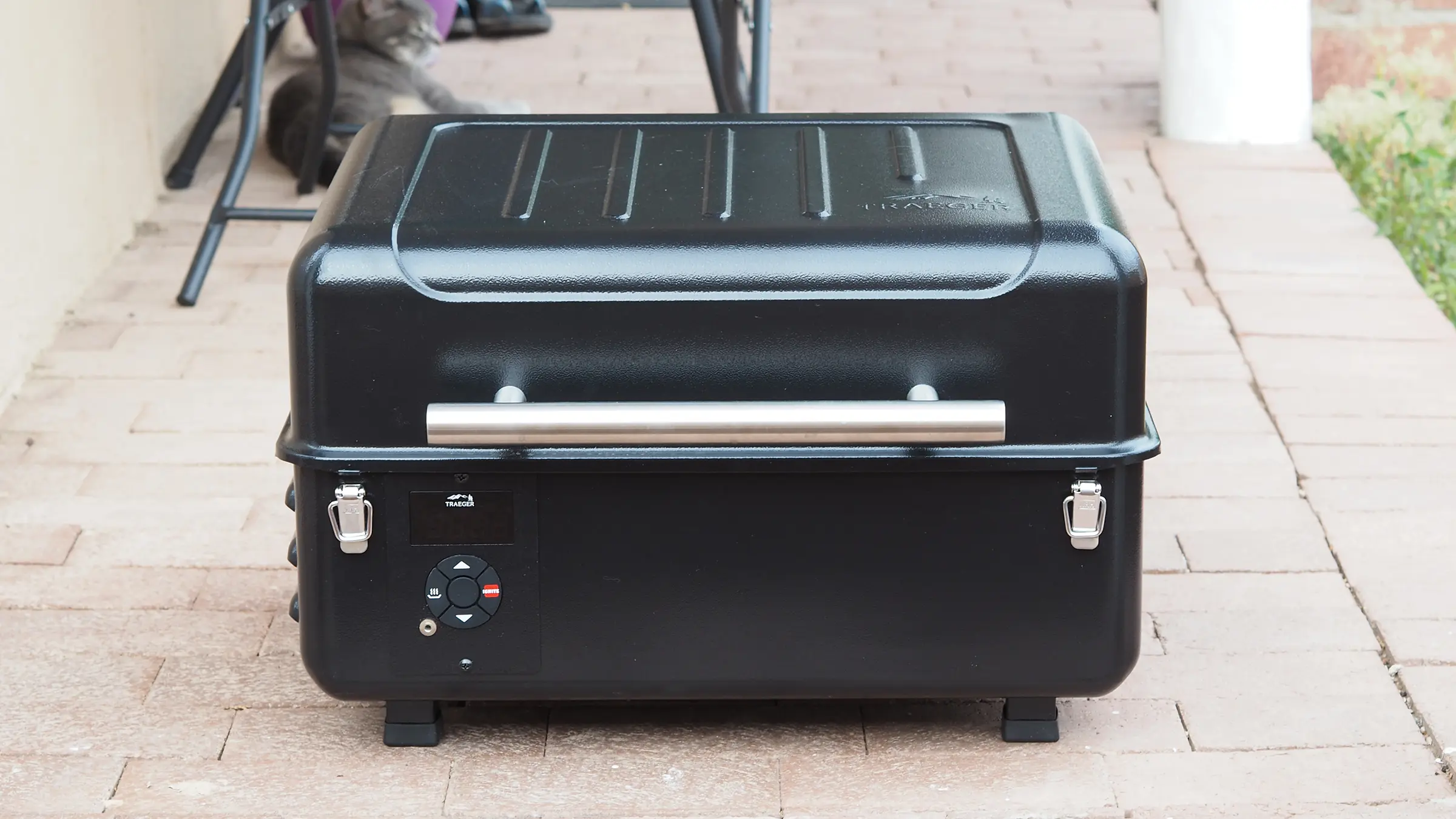
The official support guide lists the Scout at 21 inches long, 20 inches wide, 13 inches high, 45 pounds assembled, with 176 square inches of cooking space, a 4-pound hopper, and a 450°F maximum temperature. Those numbers matter because they show a portable pellet grill built for small-group cooking, not backyard theater. For readers tracking outdoor living coverage, the appeal is plain: it gives campers, tailgaters, RV owners, and patio cooks a gift that feels personal without being fragile or gimmicky.
Why Traeger Scout Makes Sense as a Gift Before the First Cook
The strongest grill gifts solve a problem the buyer already knows the recipient has. A full-size pellet smoker can feel like a home project. A tiny charcoal box can feel like a compromise. This tabletop wood pellet grill lands between those extremes, which is why it works for people who want smoke flavor but do not want another huge thing in the yard. The trick is not that it does everything. The trick is that it does the right few things for the way many Americans cook away from a full outdoor kitchen.
It feels like a real grill, not a novelty item
Some portable grills look fun on the shelf and then disappoint the second someone tries to cook more than two burgers. That is where size and fuel style change the gift story. Wood pellets give the cook a familiar path: fill the hopper, set the temperature, let the grill settle, and cook with steady heat. It feels closer to using a small outdoor oven than babysitting a pile of coals.
That matters for gift buyers. A dad taking the family to a state park, a couple heading to a college football tailgate, or an RV owner parked near Lake Powell does not want gear that turns dinner into a chore. They want the meal to feel earned, not exhausting. A portable pellet grill offers that mood because it reduces the guesswork without removing the pleasure of cooking outside.
The counterintuitive part is that smaller can feel more premium. A compact grill with a specific purpose often gets used more than a giant unit that needs a full Saturday setup. When a gift fits a real habit, it stops being a toy and becomes part of the routine.
The gift works across several types of owners
A grill can miss the mark when it assumes too much space. Many U.S. households have a mixed outdoor setup: a rented townhouse patio, a condo balcony with rules, a shared driveway, or a garage corner already packed with sports gear. A tabletop wood pellet grill gives the recipient options before they even plan the first menu.
Traeger’s own portable grill guide frames portable models around camping, tailgating, apartment or condo living, tiny homes, and RV use. It also notes that the Scout has room for 10 hot dogs, 6 burgers, or a rack of ribs. That is not banquet capacity. It is weeknight and weekend capacity, which may be more useful for the person getting the gift.
A good outdoor cooking gift also avoids a silent problem: intimidation. Plenty of people like smoked food but do not want to become “the barbecue person” overnight. A smaller machine lowers that pressure. It says, make burgers this Saturday, try ribs later, learn at your pace.
What the Size Tells You About Real Use
Portable gear always sounds easy until someone has to lift it, store it, clean it, and cook on it in bad light. That is where the Scout’s dimensions matter more than the marketing line. At 45 pounds, it is not a featherweight beach grill. It is still a steel cooking appliance with a pellet system, and that weight helps explain both its strengths and its limits. The right buyer sees that before checkout. The wrong buyer only sees the word “portable.”
There is a useful gift lesson here: convenience is not the same as effortlessness. A compact pellet unit asks the owner to bring pellets, protect the grill from rain, keep the grease path clean, and think about power before leaving home. That may sound like a warning, but it can also make the gift feel more serious. People who enjoy gear often enjoy a small ritual around it.
A 45-pound grill is portable by plan, not by impulse
This is the kind of grill you plan to bring, not something you casually tuck under one arm while carrying a cooler in the other. For car camping, that is fine. You load it beside a folding table, pellets, a power source, foil pans, and food. For a short walk from a parking lot to a stadium tailgate spot, it can make sense. For a hike-in campsite, it does not.
That honesty helps the gift land better. A portable pellet grill needs electricity, pellets, space around the unit, and a stable surface. Those needs are not flaws. They are the tradeoff for a cooking style that can handle burgers, chicken thighs, sausage, breakfast biscuits, and small low-and-slow cooks without the chaos of charcoal lighting.
Picture a Saturday at a lakeside campsite in Michigan. The grill comes out after the tent is up, not during the scramble to unpack. The cook has a small table, a dry pellet bag, a foil pan, and ten minutes to let the unit settle. That setup is not hard, but it rewards the person who planned ahead.
The hidden advantage is that weight can create trust. Ultra-light grills often rattle, warp, or lose heat fast. A heavier tabletop unit may feel less “grab and go,” but it can feel steadier once the cook begins. For many buyers, that is a fair exchange.
The cooking area favors small, better meals
The 176-square-inch grate tells you the real story: this grill favors focused cooking. It is not built for feeding twenty people at a graduation party. It is built for a small family, a couple, or a tight group of friends who would rather eat better food than juggle six cheap grill zones.
That changes menu planning. Instead of trying to cook everything at once, the owner can do brats first, hold them warm in a foil pan, then finish buns or vegetables. A rack of ribs can become the main event at a campsite instead of a side thought. Six burgers become enough when the crowd is small and the cook is not rushing.
The smaller grate also teaches discipline. You stop piling food into every corner and start thinking about what deserves the heat first. That can lead to better meals, because outdoor cooking often fails from crowding, not from lack of equipment.
This is where an outdoor cooking gift gets smarter. Big gifts often promise abundance. Useful gifts create a repeatable moment. A small grill that turns an ordinary Friday at the lake into smoked chicken sandwiches may have more staying power than a large appliance that only comes out twice a year.
Where It Fits in American Outdoor Cooking
American outdoor cooking has split into two habits. One side wants speed: burgers after work, hot dogs before kickoff, chicken skewers before the kids lose patience. The other side wants flavor and ritual: smoke, pellets, ribs, breakfast outside, and a reason to stay near the table longer. The Scout sits in the gap. It gives the cook enough control for flavor without asking them to become a pitmaster with a notebook.
That gap has grown because outdoor space now looks different from house to house. One family may have a wide patio in Texas. Another may have a rented duplex deck in Denver. A third may cook from an RV pad in Arizona for half the winter. A portable pellet grill appeals to all three, but for different reasons, and that is why it reads well as a gift.
Tailgates and campsites reward steady heat
At a football tailgate in Kansas City or a fall campsite in Pennsylvania, the cook rarely has perfect conditions. Wind cuts across the table. Someone forgot a utensil. Kids keep opening the cooler. A grill that holds a set temperature can calm the whole scene because the cook has one less fire to manage.
Pellet cooking also changes what people serve away from home. Instead of the same fast burgers every time, the menu can include smoked sausages, chicken wings, pork tenderloin, or a small tray of queso. None of those meals require a backyard island. They need planning, power, pellets, and a cook who understands that smaller space rewards patience.
The non-obvious benefit is social. When the grill does not demand constant poking, the cook can be part of the gathering. That may be the real reason this category works as a gift. It gives the recipient a role at the event without trapping them beside the fire.
Patio cooks need to read the rules first
Small does not mean allowed everywhere. Apartment and condo communities often set their own rules, and those rules can be stricter than a buyer expects. A pellet model may avoid some open-flame issues tied to charcoal or gas, but the recipient still needs to check leases, HOA rules, balcony limits, local fire codes, and building policies before firing it up.
Safety should sit inside the gift conversation, not after it. The U.S. Consumer Product Safety Commission tells consumers to use grills outside only, in well-ventilated areas, and never indoors, in garages, breezeways, carports, porches, or under a surface that can burn. It also warns about burn, fire, and carbon monoxide risks. A gift note with a link to CPSC grill safety guidance may not look romantic, but it is the kind of detail a grown-up gift should include.
This also helps the buyer choose accessories. A grill cover, drip liners, heat-safe gloves, pellets, and a sturdy table may matter more than a flashy rub set. Good gifts remove friction from first use. Great ones remove the safety blind spots too.
How to Gift It Without Creating Buyer’s Regret
The easiest mistake is gifting the grill alone and assuming the recipient will figure out the rest. That can work for experienced cooks, but it often creates a half-finished present. A tabletop wood pellet grill needs a few supporting pieces to make the first cook smooth. The better move is to gift around the experience, not only the box. Think less “big reveal” and more “first Saturday already planned.”
Buyer’s regret usually starts in the gap between fantasy and setup. The fantasy is smoked wings at the tailgate. The setup is finding a safe outlet, packing pellets, bringing liners, and knowing where the hot grill will sit while people move around it. Close that gap before the box is opened, and the gift feels generous instead of needy.
Match the recipient to the cooking setting
Start with where the person will cook. An RV owner with exterior storage and campground hookups is a stronger match than someone in a strict high-rise building. A tailgater with a truck bed and a folding table makes more sense than someone who parks several blocks from the stadium. A cabin owner who cooks for four on weekends may love it. A host who feeds twenty neighbors every Sunday may feel boxed in.
This is also where portable grill setup ideas can help once you add a real internal link. The Scout works best when the recipient has a stable outdoor station, a safe power plan, and a place to store pellets dry. Pellets absorb moisture, and damp fuel can ruin the mood fast.
A gift can be thoughtful and still be wrong. That sounds harsh, but it saves money. If the recipient loves fast, direct, high-heat searing and never smokes food, a small pellet unit may not match their habits. If they enjoy tinkering, slow cooking, and taking meals outside, it may feel like someone finally paid attention.
Add the pieces that make the first cook easy
The first-use bundle should be simple: a bag of pellets, drip tray liners, a cover or carry bag, a meat thermometer if they do not own one, and a short menu card. Burgers are fine, but chicken thighs are often more forgiving. Brats work well too. A small pork tenderloin can make the gift feel special without asking the cook to manage an all-day smoke.
Official support materials list compatible Scout accessories such as a carry case, cover, drip tray liners, mini grease bucket liners, cast iron griddle, replacement meat probe, and power inverter. You do not need to buy every accessory. Pick the ones that solve the first three problems: transport, cleanup, and protection.
One smart bundle could include hickory or signature-blend pellets, liners, gloves, and a handwritten menu for chicken thighs with corn and rolls. Another could focus on breakfast: pellets, the griddle, pancake mix, and coffee for a camp morning. The point is to show the first use, not leave it buried in the manual.
The smartest gift detail may be a printed “first cook” plan. Give the recipient pellets, liners, and a recipe for Saturday lunch. Add a note that says you will bring the buns or sides. Suddenly the grill is not an object. It is an invitation.
Conclusion
A grill becomes memorable when it fits the life around it. That is why this compact pellet model has the right shape for gifting: it is practical, personal, and easy to imagine in real American settings, from RV parks to tailgate lots to small patios with weekend plans. The Traeger Scout is not the answer for every cook, and that is part of its appeal. It has a clear lane. It suits people who want wood-fired flavor without giving up half the garage or turning every meal into a production.
The wiser buyer looks past the headline and studies the setting. Does the recipient have outdoor space? Can they store pellets dry? Will they enjoy learning temperature control? Would a smaller cook surface match their actual meals? When those answers line up, this kind of outdoor cooking gift feels less like gear and more like a reason to gather. Pair it with the right accessories, add a safe first-cook plan, and make the gift usable from day one. For more planning angles, add your own link to outdoor cooking gift guides before publishing.
Frequently Asked Questions
Is this portable grill a good gift for campers?
Yes, especially for car campers who have room for a 45-pound tabletop grill, pellets, a power source, and a sturdy cooking surface. It fits people who enjoy campground meals but want more flavor and control than a small charcoal grill can offer.
How much food can this kind of small pellet grill cook?
The Scout’s official cooking area is 176 square inches, which suits small meals. Think six burgers, a rack of ribs, hot dogs, brats, chicken thighs, or a compact tray of party food rather than a large backyard cookout.
Is a portable pellet grill better than a charcoal grill?
It depends on the cook. Pellet models offer steadier temperature control and easier low-and-slow cooking. Charcoal can be cheaper and hotter for quick searing, but it needs more fire management, ash cleanup, and cooling time after cooking.
Can someone use it on an apartment balcony?
Maybe, but they need to check building rules first. Some leases, HOAs, and local codes limit grills on balconies or patios. Outdoor use, clear ventilation, and safe spacing matter, even when the unit is compact.
What accessories should be gifted with it?
Start with pellets, drip tray liners, heat-safe gloves, a cover or carry bag, and a reliable meat thermometer. A small cast iron griddle can be useful for breakfast, vegetables, and sandwiches if the recipient likes flexible camp cooking.
Does it need electricity to run?
Yes. A pellet grill needs power for its controller, fan, and auger system. That makes it better for campsites with power, RV setups, tailgates with an inverter, or patios with a safe outdoor outlet.
Is it good for beginners?
Yes, as long as the beginner reads the startup steps and begins with simple foods. Burgers, brats, chicken thighs, and pork tenderloin are easier first cooks than brisket or long rib sessions.
What should buyers check before choosing it as a gift?
Check the recipient’s cooking space, storage space, power access, and interest in wood-pellet cooking. A small grill can be a great gift when it matches their routine. When it does not, even a well-made grill may sit unused.

Related Posts