
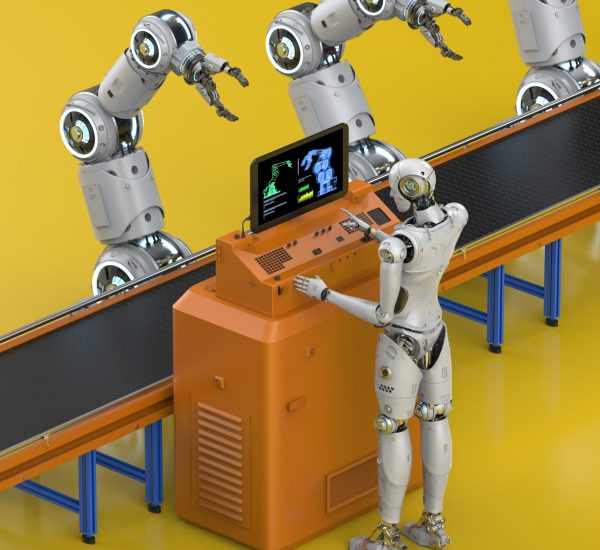
Robots used to feel like something parked behind glass at a trade show. Now they are rolling through warehouses in Ohio, helping nurses move supplies in Florida, cleaning grocery aisles in Texas, and sorting packages before most Americans finish breakfast. That shift makes robotics tips less about science fiction and more about everyday judgment. You do not need an engineering degree to understand new automation, but you do need a sharper way to look at what machines can do, what they cannot do, and where humans still make the call. For readers comparing workplace trends, technology coverage, and business visibility, digital media resources can also help frame how fast automation stories move across American industries. The point is not to cheer for every robot or fear every one. The better move is calmer: learn how the systems work, watch where they fit, and ask better questions before assuming the machine is smarter than the room.
Robotics Tips for Seeing Automation as a Work Partner, Not a Magic Trick
Automation becomes easier to understand when you stop treating robots like mysterious replacements for people. In most American workplaces, robots handle narrow tasks inside messy human systems. A warehouse robot may move a shelf, but people still decide inventory rules, safety lanes, staffing schedules, customer promises, and what happens when the system jams at 4:47 p.m. on a Friday.
Why new automation still needs human judgment
Machines are good at repeatable motion, pattern tracking, and work that punishes the human body over time. That does not make them wise. A robot can move hundreds of pounds across a distribution center, but it cannot understand why a late shipment matters to a small business owner waiting on parts before a weekend repair job.
American companies sometimes buy automation with the wrong dream in mind. They expect instant order, lower labor stress, and cleaner output from day one. The better mindset is less shiny and more useful: treat robots like powerful tools that expose weak planning. A poor process with a robot attached to it often becomes a faster poor process.
Real judgment shows up in the gaps. When a sensor reads the wrong label, when an aisle gets blocked, when a customer changes an order after the system has already moved goods, a person still has to decide what matters most. New automation rewards teams that understand exceptions, not teams that pretend exceptions will vanish.
How automation changes the job before it changes the company
Jobs rarely disappear in one dramatic scene. They bend first. A worker who once walked miles across a warehouse may shift into monitoring dashboards, clearing errors, staging items, or training the system to handle edge cases. That change can feel like progress or pressure, depending on how honestly a company prepares people.
A small manufacturer in Pennsylvania might bring in a robotic arm to load parts into a machine. The boring part of the job leaves first, but the worker now has to watch calibration, spot vibration changes, and know when a defect looks small but signals a larger problem. The hands do less lifting. The eyes and judgment do more work.
That tradeoff deserves respect. Calling the new role “easier” misses the point. Less physical strain can come with more mental load, especially when one person now watches several automated steps at once. Smart companies do not sell automation as a rescue. They train people for the new kind of attention the work demands.
Reading the Robot Before Trusting the Result
Once you see automation as a partner, the next step is learning how to read its behavior. Robots do not need personality to create confusion. They need sensors, software, limits, and a task that looks simple until reality gets involved. Understanding those limits keeps you from overtrusting a machine that only appears confident.
What sensors can see and what they miss
Sensors give robots their version of awareness, but that awareness is narrow. Cameras, lidar, pressure sensors, barcodes, scanners, and proximity tools help machines detect objects, distance, motion, and position. That sounds impressive until you remember that a dark aisle, torn label, reflective surface, or odd shadow can turn a clean task into a guessing problem.
A grocery cleaning robot in a U.S. supermarket may follow mapped routes with no drama most days. Then a child drops a juice bottle, a display gets moved into the path, and a worker parks a stocking cart near the endcap. The robot can stop, reroute, or alert someone, but it does not “understand” the store the way the night manager does.
The counterintuitive lesson is simple: more sensors do not always mean better decisions. Extra inputs can create extra noise. A well-designed robot filters what matters and admits when it lacks a clear read. A poorly designed system acts certain until it fails in a way everyone pretends was rare.
Why clean data beats flashy hardware
Hardware gets the photo. Data does the daily work. A delivery robot, factory arm, or warehouse cart depends on maps, item records, timing rules, maintenance logs, and software instructions that tell it what counts as normal. When those records are wrong, the machine may perform perfectly and still produce the wrong result.
This is where new automation gets humbling. A robot might cost more than a house in some American towns, yet a misspelled product code or outdated floor plan can waste its afternoon. The expensive machine obeys the cheap mistake. That truth should make every manager less dazzled by the demo video.
Better data habits are not glamorous, but they decide whether automation feels smart or stubborn. Teams need clean item names, updated layouts, clear exception codes, and honest reports from workers who see trouble before the dashboard does. The robot may move the work, but the records steer the robot.
Practical Automation Skills Americans Can Build Now
Understanding robots is not reserved for engineers, plant managers, or tech employees in Silicon Valley. A nurse, retail supervisor, high school student, electrician, logistics worker, restaurant owner, or city planner can build useful automation literacy. The skill is not coding alone. It is the ability to ask what the system does, where it fails, and what responsibility still belongs to people.
Automation literacy for everyday workers
Good automation literacy starts with plain observation. Watch what task the robot repeats, what triggers a stop, who clears the issue, and how often the same problem returns. Those details tell you more than any sales brochure because real work always reveals the machine’s weak spots.
A warehouse associate in Kentucky may learn that an autonomous cart struggles near a certain ramp when traffic builds after lunch. That worker does not need to write code to add value. Reporting the pattern clearly can lead to a route change, floor marking update, or staffing shift that saves hours across a month.
The best robotics tips often sound practical rather than technical: learn the stop points, read the alerts, protect the safety zone, keep records clean, and never ignore the person who works closest to the machine. A robot can change the task, but the people near it usually know whether the change is helping.
What students and career changers should learn first
Students often assume robotics means building humanoid machines or writing complex code. That path exists, but it is not the only door. Many automation careers begin with electrical basics, mechanical repair, process mapping, safety rules, computer troubleshooting, and the patience to test the same motion until the failure finally shows itself.
Career changers should start with the bridge skills. A former auto mechanic may understand motion, wear, alignment, and sound better than someone who only studied software. A retail manager may understand traffic flow and customer behavior in ways that help service robots work better in public spaces. Experience counts when it gives you a feel for reality.
Community colleges across the United States sit in a strong position here. Short programs in mechatronics, industrial maintenance, logistics technology, and robotics repair can connect people to jobs that do not require a four-year degree. The smartest move is not chasing the fanciest robot. It is learning the system around the robot.
Making Better Decisions Before Bringing Robots In
Learning how robots work matters, but choosing when to use them matters more. Bad automation can drain budgets, frustrate workers, and disappoint customers while still looking impressive from across the room. Good automation begins with a problem worth solving and a team honest enough to admit what the machine should not touch.
When a robot is the wrong answer
A robot is the wrong answer when the process changes every hour, the workspace lacks basic order, or the task depends on human empathy. Some restaurant operators learn this the hard way after buying service robots that attract attention for a week and then slow down staff during the dinner rush. Novelty fades. Friction stays.
The same mistake happens in offices. Leaders hear “automation” and start hunting for tasks to remove instead of problems to fix. A clumsy approval process, unclear policy, or badly written customer message does not improve because software moves it faster. Speed can spread confusion before anyone has time to stop it.
The braver decision is sometimes to skip the robot. Repair the workflow first. Train the team. Clean the data. Redesign the space. After that, automation may fit with less drama and better results. The machine should enter after the thinking, not instead of it.
How small businesses can test automation without betting the shop
Small businesses in the United States do not need to copy Amazon, Tesla, or a national hospital chain to benefit from automation. A local print shop, auto parts distributor, dental office, or farm supply store can start with one narrow pain point. The best first project is usually boring, measurable, and annoying enough that everyone agrees it needs help.
A business owner might test automated inventory counts in one storage area before changing the whole operation. Another might add a robotic floor cleaner after hours, then track whether staff spend less time on closing tasks. The goal is not to prove the machine is amazing. The goal is to learn whether it removes pain without creating a new pile of problems.
A smart test has clear boundaries. Decide what success means before the equipment arrives: fewer injuries, faster restocking, fewer missed items, cleaner records, or lower after-hours labor strain. Measure the result, listen to the workers, and be willing to walk away. Automation should earn trust in small rooms before it gets invited into bigger ones.
Conclusion
The future of automation in America will not be decided by the loudest demo or the most dramatic headline. It will be decided in loading docks, clinics, schools, farms, stores, and small offices where people ask whether a machine makes the work safer, clearer, and more worth doing. That is where robotics tips matter most: not as trivia, but as a practical lens for better choices. The winning mindset is neither fear nor blind excitement. It is disciplined curiosity. Learn what the robot can sense, what data guides it, what job changes around it, and who still owns the decision when the system gets confused. Start small, measure honestly, and keep people close to the process from the first conversation. Before you trust any new machine, watch the work it enters and ask one sharp question: does this make the whole system better, or only the sales pitch?
Frequently Asked Questions
What are the best robotics tips for beginners learning automation?
Start by learning what task a robot performs, what sensors guide it, and what happens when something interrupts the task. Beginners should focus on real examples from warehouses, hospitals, stores, and factories before studying complex theory. Practical observation builds stronger understanding than buzzwords.
How does new automation affect jobs in the United States?
Automation often changes job duties before it removes positions. Workers may shift from lifting, walking, or sorting into monitoring systems, solving errors, checking data, or maintaining equipment. The strongest workplaces train employees early instead of surprising them after machines arrive.
What robotics skills are useful for American workers?
Useful skills include basic troubleshooting, safety awareness, data entry accuracy, process mapping, equipment care, and clear reporting. Coding helps in some roles, but many robotics jobs also need mechanical sense, patience, and the ability to notice small changes before they become costly failures.
How can small businesses use automation safely?
Small businesses should begin with one narrow task, set a clear goal, and test before expanding. Good first targets include inventory tracking, cleaning, packaging, scheduling, or repetitive handling. The safest approach measures results and asks workers where the system creates hidden friction.
Why do robots still need human supervision?
Robots operate within limits set by sensors, software, maps, and rules. They can stop, alert, or repeat a task, but they cannot judge every human priority in a messy environment. People still handle exceptions, context, customer needs, safety choices, and process improvement.
What is the difference between robotics and automation?
Robotics usually involves physical machines that move, sense, or handle objects. Automation is broader and can include software, workflows, alerts, scheduling, or digital rules. A robot can be part of automation, but not all automation uses a robot.
How can students start learning about robotics?
Students can start with simple kits, school clubs, community college classes, online simulations, and hands-on repair projects. Building small machines teaches motion, sensors, and failure better than reading alone. Strong math helps, but curiosity and steady testing matter from day one.
When should a company avoid using robots?
A company should avoid robots when the process is unclear, the data is messy, the workspace changes constantly, or the task depends on emotional judgment. Automation works best after leaders fix the workflow. A machine added to confusion usually makes confusion move faster.
