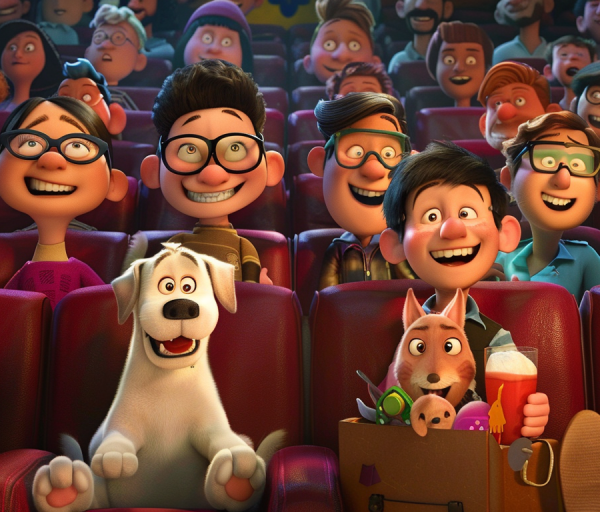
Entertainment used to ask for your attention. Animation now grabs it by the collar. The screen may be filled with painted faces, impossible cities, talking animals, or digital heroes, but the best work still lands because it understands people. That is why an Animation Guide matters for American viewers who feel buried under streaming menus, franchise spin-offs, theater releases, short-form clips, and fan debates that move faster than most people can follow. The point is not to watch more. The point is to watch better.
Across the United States, animation has moved far beyond Saturday morning habits and family movie nights. It shapes comedy, drama, music videos, sports branding, video games, advertising, and even how public figures communicate online. A useful entertainment resource, such as media visibility platforms, shows how strongly visual storytelling now shapes what audiences notice and remember. For modern entertainment lovers, animation is not a side category anymore. It is one of the main languages of culture.
Why Animation Now Sits at the Center of Entertainment
Animation earned its current place because it solved a problem live action never fully solved: it can show inner life without asking reality for permission. A nervous thought can become a monster in the corner. A memory can melt into color. A city can bend like cardboard when a character feels trapped. That freedom gives animated movies and shows a strange advantage in a crowded American media market. They can be more honest by being less realistic.
Animated movies and shows are no longer a kids-only lane
American viewers still carry an old habit of treating animated movies as family content first. That habit breaks down fast when you look at what people actually watch. Adults follow prestige animated dramas, late-night animated comedy, anime imports, superhero series, experimental shorts, and video game adaptations with the same seriousness once reserved for cable dramas.
The shift happened because creators stopped apologizing for the format. A drawn character can carry grief, vanity, rage, or romance without losing emotional weight. Sometimes the distance makes the feeling sharper. You lower your guard because the image looks playful, then the scene lands harder than expected.
Parents see this change at home too. One person may watch a bright theatrical release with children on Saturday, then return at night to a darker series made for adults. The living room did not change. The meaning of animation did.
Streaming animation changed the way Americans discover stories
Streaming animation gave viewers access to stories that once stayed trapped by geography, age labels, or narrow TV slots. A teenager in Ohio can find Japanese fantasy, a college student in Texas can follow French sci-fi, and a parent in Oregon can discover adult comedy that never would have survived old network scheduling.
Choice brings its own problem. Endless menus make everything look equal. A masterpiece, a lazy spin-off, and a forgettable filler season may sit in the same row with the same glossy thumbnail. That is where taste becomes a skill instead of a mood.
The smartest viewers build small habits. They check the studio. They notice the director. They pay attention to whether the visual style serves the story or only decorates it. Streaming animation rewards curiosity, but it punishes passive scrolling.
How to Read Animation Styles Without Getting Lost
Once you stop treating animation as one category, the whole field opens up. Style is not cosmetic. It tells you how the story wants to be felt. A stiff design can create comedy. A soft watercolor look can make a quiet scene feel fragile. A hyper-detailed action sequence can make power feel heavy rather than slick.
Animation styles reveal the emotional rules of a story
Animation styles work like accents. They tell you where a story comes from before anyone explains it. A sharp, angular design may prepare you for satire or tension. Rounder shapes may invite comfort, but they can also hide darker themes under a warm surface. That contrast often gives animated stories their bite.
American audiences see this clearly in superhero animation. A comic-book look with bold lines can make action feel mythic, while a softer digital style can make the same kind of hero feel personal. Neither choice is better by default. The right style is the one that makes the story’s emotional rules clear.
A good test is simple: ask whether the visuals would still matter if the plot stayed the same. If the answer is no, the art may be decoration. If the answer is yes, the style is carrying part of the meaning.
Voice acting can make or break modern animation
Voice acting does more than fill silence. It gives animated bodies a pulse. A perfect character design can still feel hollow when the voice sounds detached from the scene. A plain design can become unforgettable when the voice carries timing, breath, and emotional pressure.
Modern entertainment lovers should pay attention to pauses. The best animated performances often live between words. A small hesitation before an apology, a cracked laugh after a threat, or a tired sigh before a joke can make a character feel human without one real face on screen.
Celebrity casting can help, but it can also flatten a role. Some famous voices pull you out of the story because you hear the brand before the character. Strong voice work disappears into the part. That is the trick. You stop hearing the actor and start believing the person on screen.
What Makes Animated Stories Feel Worth Your Time
The strongest animated stories do not win because they are pretty. Beauty helps, but it cannot carry weak writing for long. Viewers remember structure, rhythm, character pressure, and emotional payoff. The image opens the door. The story decides whether you stay.
Animated storytelling works best when the impossible feels personal
A flying house, a talking fox, or a robot with a broken heart only works when the emotion underneath feels close to daily life. Spectacle without a human center becomes noise. Spectacle tied to longing, fear, embarrassment, or love becomes memorable.
This is why many animated movies work across age groups. Children may enjoy the motion and jokes. Adults catch the regret, sacrifice, or fear of change tucked inside the same scenes. The story speaks in two registers without splitting itself in half.
A useful rule for choosing what to watch is to look for pressure. A strong animated story pushes its characters into choices that cost something. Weak stories keep characters busy without forcing them to change. Motion is not meaning.
Humor gives animation its sharpest hidden edge
Comedy often gets treated as lighter than drama, but animation proves how wrong that can be. A joke can expose a character faster than a speech. A strange visual gag can reveal pride, shame, greed, or loneliness in seconds.
American animated comedy has long understood this. The best shows do not only chase punchlines. They build worlds where the jokes come from rules, habits, and repeated flaws. The laugh works because the viewer recognizes the behavior, even when the setting is absurd.
Animated humor also has a gift live action rarely matches: it can make exaggeration feel exact. A character’s face can stretch, collapse, or freeze at the edge of panic. That unreal image can feel more accurate than a realistic expression because it shows what embarrassment feels like from the inside.
How Modern Entertainment Lovers Can Choose Better Animation
The hardest part now is not finding animation. It is choosing with enough confidence to avoid wasting hours on content that only looks promising. An Animation Guide helps most when it gives you a way to judge before you commit. Taste grows when you stop treating every recommendation as an order and start asking sharper questions.
Streaming animation deserves a smarter watchlist
A good watchlist needs friction. That sounds backward, but it saves you from becoming a collector of titles you never watch. Add fewer shows. Keep a short note about why each one interests you. Remove anything that has sat untouched for months unless you can name a real reason to keep it.
For families in the United States, this matters even more. A shared profile can mix preschool shows, teen anime, adult satire, and theatrical releases in one chaotic feed. Separate watchlists help each person find the right tone without turning every night into a negotiation.
Try a simple rule: one comfort pick, one new style, one deeper story. That mix keeps your viewing fresh without turning entertainment into homework. You still relax, but you stop letting the algorithm make every choice for you.
The best animation choices match your mood, not the hype
Hype can trick you into watching the right thing at the wrong time. A slow, beautiful film may feel dull after a draining workday. A loud comedy may feel thin when you want something with emotional weight. The problem is not always the show. Sometimes the timing is off.
Modern entertainment lovers should treat animation like music. You do not play the same song for every drive, dinner, workout, or late-night thought. Animated stories carry different textures too. Some are bright and fast. Some are strange and quiet. Some ask for patience before they pay you back.
This is where personal taste becomes honest. You do not need to like every acclaimed title. You need to know why something works for you. Once you can name that, your viewing choices become cleaner, calmer, and far more rewarding.
Conclusion
Animation will keep expanding because it fits the way people now consume stories: across screens, moods, ages, and cultures. The mistake is treating that growth as a flood you have to keep up with. You do not. You need a better filter, a sharper eye, and enough trust in your own taste to skip what does not serve you.
The real value of an Animation Guide is not that it tells you what to watch next. It helps you notice why certain stories stay with you after the screen goes dark. For American viewers surrounded by endless entertainment options, that kind of attention matters. It turns casual watching into real enjoyment.
Start with one animated film or series you already love. Watch ten minutes again and ask what the style, voice work, humor, and emotional pressure are doing beneath the surface. Once you see that, you will never watch animation the lazy way again.
Frequently Asked Questions
What is the best animation guide for modern entertainment lovers?
A good guide helps you judge style, story, tone, voice acting, and viewing context. It should not only list titles. The best approach teaches you how to choose animated movies and shows that match your taste, mood, and available time.
How do animated movies differ from live-action entertainment?
Animated movies can show thoughts, memories, emotions, and impossible worlds without the limits of physical sets or real actors. Live action often depends on realism, while animation can bend reality to make a feeling clearer, sharper, or funnier.
Why is streaming animation popular in the USA?
Streaming animation gives American viewers access to more genres, countries, age ranges, and visual styles than older TV schedules allowed. Viewers can move from family films to adult comedy, anime, sci-fi, fantasy, and short-form experiments in one place.
What animation styles should beginners learn to recognize?
Beginners should notice 2D hand-drawn looks, 3D digital animation, stop-motion, anime-inspired design, comic-book styling, and experimental mixed media. Each style changes the mood of a story and signals how the viewer should read movement, emotion, and tone.
How can I pick better animated shows to watch?
Choose by mood, story type, visual style, episode length, and audience rating. Check whether the show has a strong central conflict rather than relying only on colorful design. A tight personal watchlist beats a giant queue you never finish.
Are animated shows only made for kids?
Many animated shows are made for teens and adults, with themes involving politics, grief, romance, work, identity, and social pressure. The format may look playful, but the intended audience depends on writing, tone, rating, and subject matter.
Why does voice acting matter so much in animation?
Voice acting supplies breath, rhythm, timing, and emotional force to characters that do not have real bodies. A strong vocal performance can make a simple design feel alive, while weak delivery can make even beautiful animation feel empty.
What makes modern animation worth watching?
Modern animation is worth watching when the visuals serve the story, the characters face meaningful choices, and the style adds feeling instead of decoration. The best work gives you something live action cannot: emotional truth shaped through pure imagination.

Related Posts