
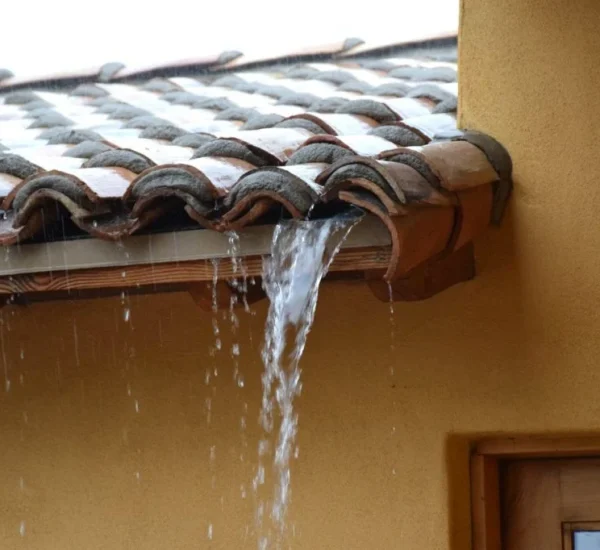
A hard rain can flood your gutters in minutes, then leave your yard dry again by the weekend. That waste feels even worse when summer water bills climb and lawn restrictions start appearing across American neighborhoods. Rainwater Saving Tips make the most sense when they begin with ordinary home habits, not expensive gear or complicated plans. A homeowner in Ohio, Arizona, Georgia, or Oregon can all start with the same basic idea: catch water where it already falls, store it safely, and use it where drinking water is not needed. The best systems are not showpieces. They are quiet, sturdy, and easy to maintain after the novelty wears off. A simple barrel under a downspout can support practical household planning, especially when paired with a few smart routines from local guides like home resource planning. Saving rain is not about pretending one barrel will solve drought. It is about wasting less of a resource your roof already collects for free.
Rainwater Saving Tips Start With Knowing Your Home’s Water Flow
Every useful setup begins with observation, not shopping. Your roof, gutters, slopes, paved areas, soil, and downspouts already decide where water moves during a storm. A homeowner who studies that pattern for one rainy afternoon often learns more than someone who buys a tank first and asks questions later. The counterintuitive truth is simple: the best rain setup often comes from fixing boring drainage problems before adding storage.
How home rainwater collection begins at the roofline
Your roof is the largest collection surface most homes have, so it deserves the first look. A small ranch home in Kansas City may shed hundreds of gallons during one steady storm, while a townhouse in New Jersey might have less roof area but better downspout access. Home rainwater collection works best when water exits through clean gutters and moves into a container without carrying leaves, grit, and shingle debris.
A good first step is walking outside during light rain and watching each downspout. One may pour cleanly into a flower bed, while another splashes beside the foundation and sends water toward the basement wall. That second spot should not feed a barrel until the grading and splash control are handled, because saving water should never create a moisture problem near your house.
Home rainwater collection also depends on roof material and local rules. Asphalt shingles, metal roofing, tile, and treated wood all behave differently, and some areas limit how collected water can be used. For most American homes, the safest starting point is outdoor non-drinking use, such as gardens, planters, and rinsing tools.
Why a rain barrel system needs the right location
A rain barrel system should sit where gravity, access, and safety all agree. The wrong location turns a good idea into a chore. A barrel tucked behind shrubs may look tidy, but nobody wants to drag a hose through mud every time the tomatoes need water.
The best spot usually sits near a high-use garden bed, patio planter, or side yard wash area. The ground should be level and firm, because a filled barrel can weigh hundreds of pounds. A stable platform also helps water flow from the spigot with more pressure, which makes the system easier to use without a pump.
A rain barrel system should never block a walkway, lean against siding, or overflow beside the foundation. The overflow hose matters as much as the barrel itself. Send excess water toward a lawn, rain garden, or safe drainage area, and the whole setup becomes more than storage; it becomes part of the home’s water behavior.
Turning Stored Rain Into Everyday Outdoor Value
Once water is stored safely, the real question becomes where it earns its keep. Many homeowners assume rainwater is only for gardens, but outdoor use goes wider than that. The trick is matching collected water to jobs where treated tap water feels wasteful. That shift changes the project from a hobby into a household habit.
Using garden water savings without hurting plants
Plants often respond well to rain because it lacks the heavy chlorine taste of treated tap water. That does not mean every plant wants the same amount, though. Garden water savings come from timing and placement, not from dumping every barrel onto the nearest bed after a storm.
A vegetable garden in North Carolina might need deep watering at the soil line during dry spells, while container herbs on a Texas patio may need smaller amounts more often. Use a watering can or soaker hose attachment where practical. Wet leaves in hot weather can invite disease, and runoff from overwatering wastes the water you worked to save.
Garden water savings also improve when you pair stored rain with mulch. Two inches of shredded bark, straw, or leaf mold can hold moisture longer and reduce the number of watering trips. That is the part many people miss: saved rainwater works harder when the soil stops losing it so fast.
Outdoor water reuse for patios, tools, and cleanup
Outdoor water reuse should feel practical, not precious. Collected rain can rinse muddy shovels, wash pollen off plastic chairs, clean empty planters, and dampen compost piles. These small jobs add up because they happen often during spring and summer.
A suburban family in Pennsylvania might use stored rain after mowing to rinse grass clippings from tools. A homeowner in Southern California might keep a covered barrel near raised beds and use the lower spigot for buckets. Neither setup looks dramatic, but both reduce the habit of turning on treated water for every little outdoor mess.
Outdoor water reuse has limits, and those limits protect you. Avoid using roof-collected rain for drinking, cooking, pet bowls, or children’s water play unless the system is designed, filtered, treated, and approved for that purpose. The strongest home systems are honest about what they should and should not do.
Storage, Safety, and Maintenance Decide Long-Term Success
A rain setup fails when maintenance feels annoying. Nobody talks about this enough. The barrel that looked charming in April can become a mosquito hotel by July if the screen tears or the lid does not fit. Practical water saving depends less on ambition and more on whether the system remains clean, covered, and simple to inspect.
Keeping a rain barrel system clean through the season
A rain barrel system needs a tight lid, a screened inlet, and a clear overflow route. Those three parts do most of the safety work. The screen keeps leaves and mosquitoes out, the lid prevents accidents, and the overflow prevents water from pooling where it does not belong.
Cleaning does not need to become a weekend project. Check the inlet screen after storms, clear gutter leaves during heavy shedding seasons, and drain sediment from the barrel when water flow slows. A homeowner with maple trees over the roof may need more frequent checks than someone with open sky above the gutters.
Cold-weather states need one extra habit. Before freezing weather hits, drain the barrel, disconnect it from the downspout, and store or cover it according to the manufacturer’s guidance. Water expands as it freezes, and one forgotten barrel can crack before spring returns.
Smart storage choices for small yards and tight spaces
Small yards can still handle rain storage if the system fits the space instead of fighting it. Slim barrels, wall-hugging tanks, and decorative planters with storage chambers can work well for townhomes and compact lots. Bigger is not always better.
A 50-gallon barrel near the right garden bed may outperform a 200-gallon tank placed where nobody uses it. This is where Rainwater Saving Tips should stay grounded: convenience beats capacity when daily habits are involved. A system you reach for twice a week beats a large tank that becomes yard furniture.
Storage also needs child and pet awareness. Barrels should be sealed, stable, and placed where climbing is unlikely. If a container looks like something a child could open or tip, it does not belong in your setup until that risk is fixed.
Making Rainwater Fit Real American Household Routines
The strongest approach is the one that fits your life after the first month. A retired couple in Vermont, a renter in Colorado, and a busy family in Florida will not manage water the same way. That is fine. Rain saving should bend around real schedules, local weather, and neighborhood rules instead of demanding a new personality from the homeowner.
How to match home rainwater collection to local rules
Rules vary across the United States, and smart homeowners check before building anything permanent. Some states encourage home rainwater collection, while certain cities, homeowners associations, or counties may set limits on tank size, placement, or permitted uses. The issue is not whether rain belongs to you in a moral sense. The issue is whether your setup follows local code.
Start with your city or county water authority website, then check HOA documents if your neighborhood has one. A small barrel for garden watering often causes no trouble, but buried tanks, pumps, plumbing connections, and indoor use can trigger permit requirements. That line matters.
Local climate should shape the setup too. In the Pacific Northwest, overflow planning may matter more than capacity. In parts of the Southwest, storage may sit empty for long stretches, so shade and dust protection become more important. The same idea works across the country, but the details should sound like your ZIP code.
Building garden water savings into weekly habits
A household routine turns a barrel into a tool. Pick one or two repeat uses, then build from there. Saturday morning garden checks, weekday evening container watering, or post-mowing tool cleanup can all become natural moments to use stored rain.
Garden water savings feel easier when the gear stays close to the job. Keep a watering can beside the barrel, attach a short hose if pressure allows, and label the spigot if guests or kids help outside. Small cues prevent confusion, especially when the system sits near outdoor taps.
The next step should be modest. Add a second barrel only after the first one proves useful through a full season. Rainwater Saving Tips work best when they grow from a habit you already trust, not from a shopping list you hope will change your behavior. Start where water is already being wasted, fix that spot, and let the system earn its place before adding more.
Conclusion
A home that saves rain starts paying closer attention to water in every form. You notice the downspout that floods the mulch, the hose left running too long, and the thirsty planter sitting three feet from free water. That awareness changes the way a house feels during a storm. Rainwater Saving Tips are not about chasing perfection or building a backyard science project. They are about choosing one practical improvement and making it dependable enough to survive real life. In the U.S., where water concerns vary from drought to flooding to rising utility bills, small systems can still carry real value. Choose one downspout, one safe barrel, and one outdoor use you already repeat. Build there first. The smartest water-saving move is the one you will still be using when the next storm rolls in.
Frequently Asked Questions
How can homeowners start saving rainwater at home?
Start with one downspout, one covered barrel, and one outdoor use such as watering flowers or rinsing garden tools. Keep the setup close to where you need water most, and make sure overflow drains away from the foundation.
Is rainwater safe for vegetable gardens in the USA?
Roof-collected rainwater is commonly used for soil-level watering in vegetable gardens, but it should not touch edible leaves or fruit close to harvest. Use clean gutters, covered storage, and a watering method that sends water directly to the soil.
What size rain barrel is best for a small home?
A 40- to 60-gallon barrel works well for many small homes because it fits beside a downspout without taking over the yard. Choose location and ease of use before capacity, because an accessible barrel gets used more often.
Can renters use home rainwater collection without permanent changes?
Renters can often use freestanding barrels, buckets, or small patio collection systems, but they should get landlord approval before altering downspouts. A portable setup for balcony plants or patio containers keeps things simple and easier to remove.
How do you stop mosquitoes in a rain barrel?
Use a tight lid, fine mesh over every opening, and a covered overflow outlet. Mosquitoes need access to standing water, so sealing entry points matters more than adding treatments after the problem starts.
What are the best outdoor uses for collected rainwater?
Collected rain works well for watering ornamental plants, garden beds, shrubs, planters, compost piles, and rinsing outdoor tools. Avoid drinking, cooking, bathing, or pet use unless the system includes proper treatment and meets local safety rules.
Do rain barrels help lower water bills?
Rain barrels can lower outdoor water use during growing season, especially for gardens and containers. The savings depend on rainfall, barrel size, yard habits, and local water rates, but the bigger win is reducing waste during routine outdoor chores.
Should rainwater be filtered before garden use?
A simple screen should catch leaves, grit, and insects before water enters the barrel. For most outdoor watering, that basic filtration is enough, but edible gardens need extra care to keep roof debris away from harvestable plant parts.

Related Posts