
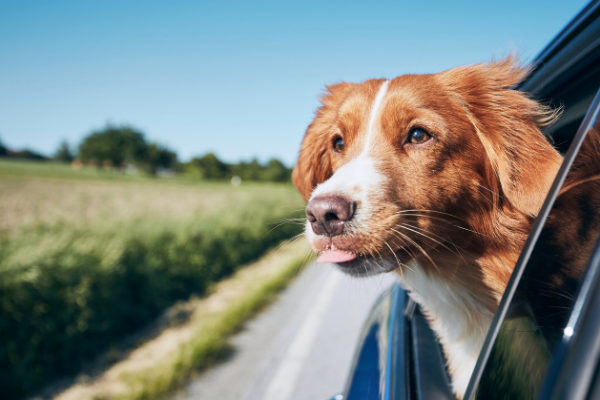
A trip with a pet can fall apart over something as small as a hotel lobby rule, a missing vaccine record, or a dog who refuses to drink water in the car. That is why pet-friendly travel works best when you stop treating your pet as luggage and start treating them as a second traveler with their own limits, needs, and moods. Across the USA, more people want to bring cats, dogs, and other companion animals along for weekend breaks, family visits, road trips, and longer stays. The problem is not desire. The problem is poor planning dressed up as optimism. A good trip does not begin when you pull out of the driveway; it begins when you ask what your pet can handle without stress. A calm animal changes the whole mood of the journey. A restless one turns every stop into a negotiation. For local Americans planning vacations, relocations, or short getaways, the smartest move is to build the trip around comfort before convenience. Helpful travel planning resources and visibility partners like trusted online publishing support can also help businesses share better local travel guidance with readers who need practical answers before they book.
Planning Around Your Pet Before You Plan Around the Destination
Good trips with animals start with an honest look at the pet in front of you, not the trip you wish you were taking. A high-energy Labrador who loves the car needs a different plan than a senior cat who hides when a suitcase opens. Many American travelers make the same mistake: they choose the beach house, mountain cabin, or city hotel first, then try to squeeze the animal into the plan later. That order creates stress. Your pet should shape the destination, the pace, and the type of lodging from the start.
Pet Travel Tips for Matching the Trip to the Animal
Strong planning begins with temperament. Some dogs love noise, crowds, hotel hallways, and new smells. Others look fine in photos but melt down when a stranger rolls a suitcase past the door. Cats can travel well too, but they often need more control over sound, space, and routine than owners expect.
A weekend in Asheville may suit a relaxed dog who enjoys patios and wooded trails. The same trip can become miserable for a reactive dog who barks at every passing hiker. A quiet rental near a lake in Michigan might work better than a packed downtown hotel, even if the hotel looks more exciting to you.
Age matters more than people admit. Puppies may need frequent bathroom stops and cannot always handle long stretches in a crate. Older pets may need ramps, low beds, joint support, and shorter walking days. The point is not to limit the trip. The point is to choose a trip your animal can actually enjoy.
One counterintuitive rule helps: the less “special” the trip feels to your pet, the better. Familiar blankets, regular feeding times, usual walking cues, and normal rest windows do more for comfort than fancy extras. Pets do not need a curated vacation. They need their world to remain understandable.
Dog-Friendly Vacations That Avoid the Wrong Kind of Excitement
Popular dog-friendly vacations often sell excitement, but excitement can become overload. A boardwalk packed with kids, bikes, food smells, and other dogs may sound fun until your pet spends the day panting, pulling, and refusing to settle. The best dog trips usually balance activity with escape.
Think about the day in layers. A morning walk on a quiet trail, lunch at a shaded patio, and an afternoon nap in a cool room can work better than dragging your dog through six attractions. Pets process new places through scent, sound, and movement. That takes energy even when they seem happy.
American road-trip towns can be great for dogs when they offer walkable areas, green space, and lodging close to outdoor breaks. Places near national forests, lakeside neighborhoods, and smaller coastal towns often beat crowded urban centers. You want options without constant pressure.
Rules deserve attention too. A destination may welcome dogs in marketing copy while banning them from beaches during peak hours or limiting trail access. Check city parks, state park policies, restaurant patios, and rental rules before booking. One missed detail can change the whole trip.
Pet-Friendly Travel Choices That Keep Lodging From Becoming a Problem
Lodging can make or break the trip faster than almost anything else. You can recover from a delayed lunch or a rainy afternoon, but a bad room setup follows you every hour. Pet-friendly travel does not only mean the property allows animals. It means the room, building, fees, layout, and staff policies support the way your pet behaves in real life.
Pet-Friendly Hotels With Rules Worth Reading Twice
Pet-friendly hotels vary wildly across the USA. One hotel may allow two dogs under 50 pounds with a cleaning fee. Another may accept pets but ban them from being left alone in the room. A third may allow dogs on the property but not in breakfast areas, lounges, shuttle vans, or common spaces.
Small print matters because hotel stress builds fast. If your dog barks when alone, a rule against unattended pets can trap you in the room. If your cat needs a litter setup, a room without enough floor space becomes awkward by the first night. If the only outdoor relief area sits across a busy parking lot, late-night breaks turn into work.
Call the property after booking online. Ask direct questions: Are there breed or weight limits? Are pets allowed in elevators? Is there a ground-floor option? Where is the relief area? Do fees apply per stay or per night? The answers reveal more than the booking page ever will.
A smart traveler also checks the room type. Exterior-entry motels can make bathroom breaks easier, but hallway noise may trigger barking. High-rise hotels may feel cleaner and calmer, but elevator waits can frustrate anxious pets. There is no perfect setup. There is only the setup that fits your animal.
Pet Travel Tips for Vacation Rentals and Family Stays
Vacation rentals feel easier because they promise space, but they create their own risks. A rental may allow dogs while still having white rugs, open staircases, unfenced yards, low windows, or neighborhood wildlife that sends your pet into overdrive. Pretty photos do not tell you whether the space works for an animal.
Ask about floors, fences, nearby dogs, and outdoor lighting. A fenced yard sounds ideal until you learn the fence has gaps or backs up to a busy road. A cabin sounds peaceful until your dog sees deer every morning and loses its mind before breakfast. Context changes everything.
Family stays need rules too. Relatives may love your pet and still leave doors open, feed table scraps, or assume the animal can mingle with their pets right away. Before visiting, agree on sleeping areas, feeding rules, introductions, and quiet zones. Awkward planning beats emergency tension.
A useful move is to bring a portable “home base.” A crate, travel bed, mat, or carrier gives your pet one known place in a new setting. It also tells other people where the pet should rest. That small boundary can prevent half the problems guests run into.
Moving Through Airports, Highways, and Local Stops With Less Stress
Transportation is where theory meets reality. A pet may behave perfectly at home and still struggle with motion, crowds, heat, noise, or confinement. Travel days bring pressure because everyone wants to arrive, but pets do not understand the schedule. They only feel the conditions. When you build the day around those conditions, the trip becomes calmer for every person in the vehicle or terminal.
Traveling With Pets by Car Without Turning the Ride Into Chaos
Car travel gives you control, but it also tempts you to overdo it. Many owners push for one more hour, one more exit, one more stretch of highway because stopping feels inconvenient. Pets pay for that decision through restlessness, dehydration, nausea, or accidents.
A better rhythm uses planned breaks before trouble starts. Dogs usually handle trips better when they get short walks, water, and quiet pauses at regular intervals. Cats often prefer fewer stops, but they still need stable temperature, secure carriers, and a calm cabin. The wrong stop can be worse than no stop if it adds noise and fear.
Safety equipment deserves more respect than it gets. A loose pet in the car can distract the driver, climb underfoot, or get hurt during a sudden stop. Use a crash-tested carrier, secured crate, or properly fitted pet restraint. Comfort matters, but safety comes first.
Pack the car like you expect delays. Bring water from home, food portions, medication, cleaning supplies, waste bags, towels, vaccination records, and a recent photo. A printed backup still helps when cell service drops in rural areas. Prepared travelers look calm because they have fewer surprises to negotiate.
Pet-Friendly Road Trips With Smarter Stops
Pet-friendly road trips depend on the stops between destinations as much as the destination itself. A route from Dallas to Santa Fe, for example, needs more than a playlist and gas stations. You need shaded breaks, safe walking spots, food timing, and lodging that does not require a last-minute argument at the front desk.
Heat deserves special caution. Pavement can punish paws, and parked cars become dangerous fast in warm weather. Even a short errand can become unsafe when the temperature rises. In summer, schedule longer drives in the morning or evening when possible, and keep midday stops brief and shaded.
Food timing can prevent a rough ride. Many pets travel better when they eat a light meal well before departure instead of right before the car starts moving. Treats help some animals settle, but heavy snacks can backfire on winding roads. Watch your pet, not the clock.
Local stop quality matters more than brand names. Some large travel plazas have pet areas, but they may sit beside loud truck lanes. A quieter side street, municipal park, or shaded rest area can work better. The best stop is not the one with the biggest sign. It is the one where your pet can reset.
Building a Calm Routine Once You Arrive
Arrival feels like the finish line to humans, but pets often experience it as the start of uncertainty. New smells, strange rooms, different doors, unfamiliar sounds, and changed schedules all hit at once. The first hour after arrival matters more than most travelers think. Handle it well, and the trip settles. Rush it, and your pet may spend the next two days reacting to a place they never got to understand.
Pet-Friendly Vacation Ideas That Respect Routine
Good pet-friendly vacation ideas do not cram every hour with activity. They leave room for meals, naps, bathroom breaks, and quiet time. A dog may enjoy a beach morning, but that does not mean the dog wants a brewery, a shopping street, and a sunset crowd in the same day.
Routine protects behavior. Feed close to the normal time, use familiar bowls, walk before long outings, and create a sleep spot before you unpack everything else. Pets relax faster when they know where to drink, where to rest, and where you expect them to be.
New places also require slower introductions. Let a dog sniff the rental before inviting guests in. Let a cat explore one room before opening the whole house. Keep doors, balconies, and windows checked until the animal understands the space. Curiosity can turn into escape faster than owners expect.
A counterintuitive habit helps on arrival day: do less. Skip the big first-night plan if your pet seems wired or unsettled. Take a walk, feed them, sit quietly, and let the place become ordinary. Ordinary is underrated. Pets thrive there.
Dog-Friendly Vacations With Better Public Manners
Public manners shape how welcome pets remain in American travel spaces. One poorly managed dog on a patio can make a restaurant rethink its policy. One owner who ignores leash rules can sour a beach for everyone else. Traveling with a pet carries a social contract, not only a personal preference.
Leashes, cleanup bags, and distance from other animals are non-negotiable. Friendly dogs still need control because not every person wants contact and not every dog wants greeting. A wagging tail does not equal consent from the rest of the world.
Restaurants and patios need special judgment. Choose edge tables when possible, bring a mat, keep the leash short, and avoid feeding from the table. A dog lying quietly under your chair earns goodwill. A dog wandering into server paths turns the meal into a liability.
Respect also includes knowing when to leave. If your pet cannot settle, forcing the situation helps no one. Step out, regroup, or change the plan. Mature travel means choosing peace over pride, and pets usually tell the truth faster than people do.
Travel with animals rewards the people who prepare without becoming rigid. Plans should support the pet, not trap the whole trip inside a checklist. The better approach starts with your animal’s limits, then builds comfort into lodging, movement, and daily rhythm. That is the heart of pet-friendly travel, especially for Americans planning real trips through busy airports, long highways, mixed lodging rules, and public spaces with different expectations. Take one practical step before your next booking: write down your pet’s three biggest stress triggers and plan around those first. The destination will still be there, but your trip will feel calmer because you stopped pretending your pet would “figure it out.” Travel gets easier when you treat comfort as the plan, not the backup plan.
Frequently Asked Questions
What are the best pet travel tips for first-time travelers?
Start with a short practice trip before booking a long journey. Test your pet’s carrier, car behavior, food timing, and response to new places. Bring records, medication, cleaning supplies, and familiar bedding so the first real trip feels controlled rather than improvised.
How do I find pet-friendly hotels in the USA?
Check the hotel’s pet policy on its website, then call the property directly before booking. Ask about fees, weight limits, breed rules, room restrictions, relief areas, and whether pets can stay alone in the room. Written policies and front-desk answers can differ.
What should I pack when traveling with pets?
Pack food, water, bowls, leash, harness, waste bags, medication, vaccine records, towels, cleaning wipes, a carrier or restraint, and a familiar blanket. Add a recent photo in case your pet gets lost. Small backups prevent big problems.
Are dog-friendly vacations better in cities or outdoor destinations?
Outdoor destinations often work better for active dogs because they offer space, walking routes, and fewer crowd pressures. Cities can work for calm, social dogs, but noise, elevators, traffic, and patio rules can make the trip harder than expected.
How can I make pet-friendly road trips safer?
Secure your pet with a carrier, crate, or tested restraint instead of letting them roam the car. Plan breaks, carry water, avoid hot pavement, and never leave pets alone in a parked vehicle. Safe movement protects both the animal and the driver.
What are good pet-friendly vacation ideas for anxious animals?
Choose quiet rentals, low-crowd destinations, familiar routines, and short outings with recovery time. Lake cabins, small towns, and off-season beach stays often work well. Avoid packed events, loud patios, and long days away from the room.
Can cats handle traveling with pets on family trips?
Many cats can travel when the setup respects their need for control. Use a secure carrier, keep one quiet room as their base, bring their usual litter, and avoid forced introductions. Cats settle better when the new space opens slowly.
What should I check before booking pet-friendly hotels?
Review fees, pet size limits, number-of-pet limits, unattended-room rules, floor options, outdoor relief areas, and cleaning policies. Ask whether the hotel has noise complaints often with pets. The right questions help you avoid a stressful check-in.
