
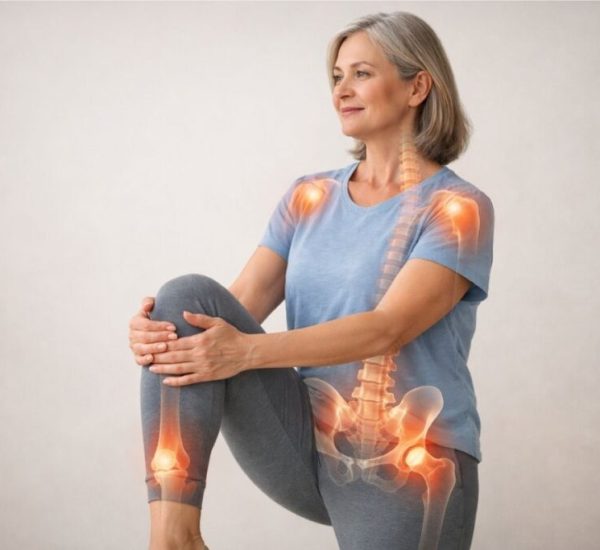
A stiff knee on the stairs can change your whole morning. A sore shoulder can make a normal grocery run feel like a negotiation with your own body. A smart joint health guide is not about acting older than you are or treating every ache like a crisis. It is about noticing the small patterns that decide whether your body feels ready for life in the United States, where long commutes, desk work, weekend errands, youth sports, and home projects all ask more from your joints than you may realize. For readers comparing wellness resources, local health coverage, or lifestyle content through trusted public information channels, the practical point stays the same: healthy joints depend on daily choices, not one dramatic fix. Most people wait until pain gets loud before they change anything. That is the expensive mistake. Better movement starts earlier, in the quiet moments when you choose shoes, pace your workouts, adjust your chair, or take a walk before your hips get cranky. Your joints do not need perfection. They need respect, rhythm, and enough attention before discomfort becomes your new normal.
Building Better Mobility Habits Before Pain Takes Over
Most people treat movement like a workout problem, but joints read your entire day. The way you rise from a couch, carry laundry, climb office stairs, shovel snow in Ohio, or stand through a Texas youth soccer game all counts. Better mobility habits begin when you stop saving movement for the gym and start spreading it through ordinary life.
Why healthy joints need motion, not rest alone
Healthy joints like steady use because movement keeps surrounding muscles awake and helps your body share force across more than one area. Sitting still for hours can make your first few steps feel wooden, not because your body is failing, but because it has been parked too long. A short walk after lunch may do more for your knees and hips than a punishing weekend workout that leaves you sore until Wednesday.
The counterintuitive truth is that rest can become its own problem. After a minor ache, many people freeze their routine out of fear, then wonder why everything feels tighter two weeks later. Smart rest protects you from overload, but total avoidance teaches your body to trust less movement. That is a bad bargain.
American routines make this harder because many jobs reward sitting and many errands reward rushing. You drive to work, sit for meetings, drive to the store, then carry bags into the house in one uneven load. Your joints feel that pattern. The fix starts with smaller doses of motion, spread across the day before stiffness has time to settle in.
How joint-friendly exercises fit into normal weeks
Joint-friendly exercises work best when they feel boring enough to repeat. Walking, gentle cycling, water exercise, light strength training, and controlled mobility drills do not look dramatic on social media, but they build the kind of capacity you actually use. A 20-minute neighborhood walk in Phoenix or a slow loop through a mall in Minnesota still counts when it keeps your hips, ankles, and knees moving without punishment.
The mistake is chasing sweat before control. A person with stiff ankles may turn a simple jog into a knee problem because the body steals motion from the next available joint. Strength matters, but so does range you can own. Better mobility habits grow from that balance: enough challenge to adapt, enough restraint to come back tomorrow.
A useful weekly rhythm can stay simple. Choose two days for light strength, two or three days for walking or cycling, and one day for mobility work that checks how your body feels. This does not need fancy gear. It needs honesty, because the workout you can repeat beats the heroic one you abandon.
Reading Everyday Signals Without Overreacting
Once you build movement into the day, the next skill is listening without panic. Every click, pop, or brief ache does not mean damage, but ignoring repeated warnings is not toughness either. Everyday joint pain has a language, and learning it helps you respond before a small issue starts running your schedule.
What everyday joint pain is trying to tell you
Everyday joint pain often shows up as a pattern before it becomes a problem. Knees complain after stairs, hips stiffen after long drives, wrists ache after laptop hours, or shoulders pinch after yard work. One episode may not mean much. The repeated timing matters more than the volume.
A sharp pain that changes how you walk deserves more caution than a mild ache that fades after warming up. Swelling, redness, weakness, or pain that keeps returning after the same activity should not be shrugged off. You do not earn extra points for pretending your body is not sending a message.
The trick is to respond early without turning fearful. Reduce the trigger, adjust the load, and watch how your body behaves over several days. A runner in Colorado might swap hills for flat paths. A warehouse worker in New Jersey might split lifting tasks into smaller rounds. Small changes can reveal whether the issue is load, form, recovery, or something that needs clinical attention.
When better mobility habits need a professional eye
Better mobility habits can solve plenty of stiffness, but some issues need trained eyes. A physical therapist can spot weakness, limited range, and movement habits you cannot feel from the inside. A primary care clinician can help rule out conditions that require more than stretching and shoe changes.
Many Americans delay care because they expect a lecture, a bill, or an answer they do not want. That delay can cost more later. Getting advice early does not mean signing up for months of appointments. Sometimes one evaluation gives you the missing piece: a hip weakness behind knee pain, a grip habit behind wrist soreness, or an old ankle sprain still changing how you walk.
Good care also keeps you from treating every joint the same. A sore shoulder from poor overhead control needs a different plan than a swollen knee after a twist. A stiff back after desk work needs a different response than hip pain during long walks. Precision saves time, and your body appreciates precision more than enthusiasm.
Making Daily Environments Easier on Your Joints
After you learn your body’s signals, your surroundings deserve a hard look. Many joint problems are not born in workouts. They grow inside kitchens, cars, offices, closets, and garages where repeated positions quietly shape how you move. Healthy joints need better environments, not heroic willpower.
How home routines can support healthy joints
Healthy joints often improve when your home stops working against you. A laundry basket with handles, a step stool that keeps you from reaching awkwardly, and a kitchen layout that puts heavy pans at waist height can spare your shoulders, wrists, and back. These changes look too small to matter until you stop flaring the same area every weekend.
A practical example hits many U.S. households: bulk shopping. Warehouse stores make financial sense, but carrying a giant case of water from the car to the pantry can punish your hands, elbows, and low back. Split the load. Use a cart. Make two trips. Pride is a terrible lifting strategy.
Flooring and footwear matter too. Bare feet on hard tile may feel natural, but some bodies hate that daily impact. Supportive house shoes can help people who stand while cooking, caring for kids, or working from home. Comfort is not weakness. It is equipment.
Why joint-friendly exercises start outside the gym
Joint-friendly exercises are not limited to planned sessions. The way you sit into a chair, hinge to pick up a package, and reach into a cabinet can become quiet training. Done well, daily tasks build confidence. Done poorly, they repeat stress until your body complains.
A useful home test is the “slow version” of normal chores. Sit down and stand up without dropping into the chair. Pick up a grocery bag while keeping it close to your body. Step onto a curb without pushing off the back foot. These small checks show whether your joints have support from nearby muscles or whether one area is doing all the work.
Office setups deserve the same honesty. A laptop on a kitchen table can turn your neck, wrists, and shoulders into a complaint department by Friday. Raise the screen, use a separate keyboard when possible, and change positions during the day. The best posture is not one perfect pose. It is the one you do not stay trapped in for hours.
Training Strength, Recovery, and Confidence Together
A better environment lowers friction, but capacity still matters. Your joints need muscles that can absorb force, tissues that get time to recover, and a mind that does not treat every ache as danger. This is where many people get the order wrong. They chase intensity first, then wonder why confidence keeps shrinking.
How strength protects everyday movement
Strength gives your joints options. Stronger hips help knees during stairs. Stronger calves support ankles during walks. Stronger upper back muscles can reduce the strain that builds when shoulders sit forward all day. None of this requires bodybuilding. It requires enough resistance to teach the body that normal life is not a threat.
The best starting point is often slower movement. A slow sit-to-stand, a supported split squat, a wall push-up, or a controlled step-up can teach alignment better than fast reps. Speed hides problems. Slow work exposes them, then gives you room to fix them.
Progress should feel earned, not stolen. Add weight, distance, or range one layer at a time. A person returning to pickleball in Florida after months away does not need a three-hour match on the first Saturday. They need short sessions, warmups that prepare the ankles and hips, and recovery that respects how fast enthusiasm can outrun tissue tolerance.
How recovery turns work into better results
Recovery is not laziness; it is where your body turns effort into capacity. Sleep, protein, hydration, and off-days influence how your joints feel during the next round of movement. People often blame age when the real issue is a schedule that leaves no room for repair.
Everyday joint pain can spike when recovery gets ignored. A weekend full of yard work, a poor night of sleep, and a Monday workout can stack stress faster than the body can absorb it. One hard day rarely causes the whole problem. Several unmanaged days in a row often do.
Confidence grows when recovery has structure. Keep a simple note on what you did, what felt good, and what complained the next day. Patterns become visible fast. You may learn that your knees tolerate cycling better after strength work, or your shoulders need a rest day after painting a room. That kind of information beats guessing, because it turns your body from an enemy into a partner.
Conclusion
Your body does not ask for a perfect health routine. It asks for choices that make sense more days than not. The real value of a joint health guide is not a grand plan taped to the fridge; it is the moment you notice stiffness sooner, split a heavy load, take the walk, adjust the chair, or choose strength work that respects your current limits. Better movement builds from those ordinary decisions. Over time, your joints stop feeling like fragile parts you must protect from life and start feeling like living systems you can train, support, and trust. That shift matters because mobility is not only about exercise. It is about keeping access to the life you like: travel, work, family, hobbies, home projects, and the simple pleasure of moving without bargaining first. Start with one change today, repeat it long enough to feel the difference, and let your next decade of movement be shaped by attention instead of regret.
Frequently Asked Questions
What are the best daily habits for better joint mobility?
Short walks, gentle strength work, position changes, and controlled stretching create the best daily base. The goal is not to move harder every day. The goal is to move often enough that your joints stop feeling shocked by normal tasks.
How can I improve healthy joints without intense workouts?
Low-impact movement, steady strength training, supportive shoes, and better sleep can make a major difference. Intense workouts are not required. Consistency matters more because joints respond well to repeated, manageable stress.
What joint-friendly exercises are good for beginners?
Walking, water exercise, stationary cycling, sit-to-stands, wall push-ups, and light resistance band work are strong beginner choices. Start with short sessions and focus on control. Pain should not be the price of participation.
Why do my joints feel stiff after sitting too long?
Long sitting reduces movement through the hips, knees, ankles, spine, and shoulders. Your first steps may feel stiff because tissues have been held in one position. Frequent short movement breaks usually help more than one long stretch later.
When should everyday joint pain be checked by a doctor?
Pain that causes swelling, weakness, limping, redness, limited motion, or repeated flare-ups deserves medical attention. Sudden sharp pain after a fall or twist should also be checked. Early care can prevent a small issue from becoming stubborn.
Can weight changes affect better mobility habits?
Body weight can change how much force joints handle during walking, stairs, and standing. Even modest weight loss may ease pressure for some people. Strength, movement quality, and recovery still matter, so weight should never be treated as the only factor.
How do shoes affect healthy joints during daily life?
Shoes influence how force travels through your feet, ankles, knees, hips, and back. Worn-out or unsupportive shoes can increase strain during long days. The right pair should match your activity, foot shape, and comfort needs.
What is the easiest way to start protecting joints today?
Pick one repeated stress point and change it. Take movement breaks during desk work, split heavy grocery bags, add a short walk, or practice slow sit-to-stands. One repeatable habit beats a complicated plan you quit after a week.
