
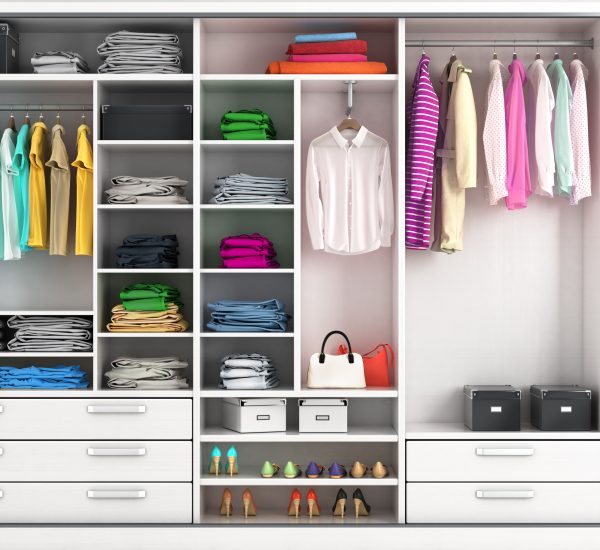
A messy closet can steal the first calm minutes of your day before you even find a shirt. That small daily frustration adds up, especially in American homes where many bedrooms have reach-in closets, shared storage, seasonal clothing, and busy mornings fighting for the same square footage. The best Closet Organization Ideas do not begin with buying bins; they begin with making your closet tell the truth about how you actually dress. A well-planned closet helps you see what fits, what works, and what belongs in your daily rhythm. For readers building stronger home routines, trusted lifestyle resources such as smart home improvement guidance can support the bigger goal: making everyday spaces easier to live in. Your closet should not feel like a storage locker with hangers. It should feel like a quiet assistant that helps you leave the house dressed, prepared, and unannoyed.
Closet Organization Ideas That Start With Real Dressing Habits
A closet fails when it reflects fantasy instead of routine. Many people organize by category because it looks tidy for a weekend, then the system breaks when Monday arrives. The better move is to study your actual dressing habits before rearranging a single shelf. A nurse in Ohio, a remote worker in Colorado, and a parent in suburban Texas do not need the same setup, even if their closets are the same size.
Build zones around what you wear most
Your closet should give the best space to the clothes that earn it. The blazer you wear twice a year does not deserve the same prime real estate as the jeans, work shirts, leggings, or uniforms you reach for every week. Wardrobe organization improves fast when your daily clothing sits between eye level and hand level.
A strong zone starts with one honest question: what do you touch before 9 a.m.? Put those pieces closest to the closet door or front rail. Weekend items, dress clothes, and off-season layers can move higher, lower, or farther back. This sounds small, but it changes the entire feel of getting dressed.
Some closet storage solutions fail because they treat every item as equally useful. They are not. A black cardigan worn three days a week carries more daily value than a special-event dress. Give space based on use, not guilt, price, or the wish that you might become a different kind of dresser next month.
Separate decision clothes from storage clothes
Daily dressing gets harder when decision clothes and storage clothes sit together. Decision clothes are the pieces you might wear this week. Storage clothes are the things you own for weather, events, memories, or rare needs. Mixing them creates visual noise.
A better system gives decision clothes room to breathe. Keep your active wardrobe visible and easy to scan, then move storage clothes into labeled bins, under-bed bags, high shelves, or a secondary closet. This helps small closet ideas work better because it removes the lie that every garment needs daily access.
The counterintuitive truth is that a smaller visible wardrobe often makes you feel as if you own more. You stop digging. You stop forgetting. You start seeing complete outfits instead of fabric packed into a dark corner. That shift sets up the next layer: making the physical closet match the speed of your mornings.
Turn Closet Storage Solutions Into a Morning System
A neat closet is pleasant, but a closet that saves time is better. The goal is not showroom perfection. The goal is a space that reduces friction when you are tired, late, distracted, or holding coffee in one hand. Closet storage solutions should help you move through a morning outfit routine without negotiating with piles, tangled hangers, and mystery bins.
Keep outfit paths clear and visible
Your eye should travel through the closet in the same order your body gets dressed. Tops, bottoms, layers, shoes, and accessories should not live in unrelated corners. When these pieces sit near each other, your brain builds outfits faster.
For a typical American weekday, this might mean work pants on the left, shirts beside them, cardigans or jackets next, then shoes below. Gym clothes may need a separate drawer or basket near the closet opening. The right layout depends on your life, not on a photo from a perfect California walk-in closet.
Small closet ideas become stronger when you treat space like a route. A narrow reach-in closet can still work well if the most-used items sit in one clean path. Add slim hangers, a low shoe shelf, and one small tray for belts or watches, and the closet begins to support movement instead of slowing it down.
Use containers only after the categories make sense
Bins do not fix confusion. They hide it. A closet packed with matching baskets can still waste your time if every basket holds mixed items that share no purpose.
Start by grouping clothing by role. Workwear, casual basics, workout pieces, seasonal layers, special-event clothing, and laundry overflow each need a clear home. Once those groups make sense, containers become useful because they protect a decision you already made. That is when wardrobe organization starts feeling durable.
One grounded example: a family in Minnesota may need winter gloves, thermal layers, scarves, and snow pants near the front from November through March. In May, those items can move to a high shelf in labeled fabric bins. The closet does not need to look the same all year. It needs to match the season you are living in.
Make Wardrobe Organization Fit Small American Homes
Many U.S. homes were not designed for the amount of clothing modern families own. Apartments, older houses, dorm rooms, and shared bedrooms often come with closets that feel like an afterthought. Still, a small closet does not have to act small. The key is to stop treating the closet as one open box and start dividing it into useful layers.
Use vertical space without making it unreachable
Vertical space helps only when you can use it without a step stool every morning. High shelves should hold items you need less often, while the most active pieces stay in the easy zone. That balance matters because a closet that demands effort will lose every time life gets busy.
Stackable bins, shelf dividers, and hanging organizers can add structure, but they need limits. Cramming every inch from floor to ceiling creates a packed wall, not a helpful system. Leave small gaps so your hands can move. Breathing room is not wasted space; it is what lets the system keep working.
Small closet ideas often improve when shoes stop spreading across the floor. A two-tier rack, clear shoe boxes, or door storage can reclaim the bottom zone. Keep the pairs you wear often within sight, then move formal or seasonal shoes higher. Shoes are sneaky clutter because each pair looks small until twelve pairs block the entire floor.
Give shared closets firm boundaries
Shared closets need rules more than they need more hangers. Couples, siblings, roommates, and children sharing storage often blur space until one person’s overflow becomes everyone’s problem. Boundaries prevent quiet resentment from building behind sliding doors.
Divide the closet by person first, then by item type. One side, one rail section, one drawer stack, or one shelf group should clearly belong to each user. This keeps wardrobe organization from turning into a household guessing game. Nobody should have to move someone else’s hoodie to find a clean work shirt.
A practical example comes from many apartment bedrooms in cities like Chicago, Phoenix, and Atlanta, where one reach-in closet must serve two adults. A fair split may not be equal space; it may be equal access. One person with folded casual clothes might need drawer bins, while the other with office clothing needs more hanging room. Fair means the closet works for both lives.
Protect the System So Daily Dressing Stays Easy
The final test of any closet system comes three weeks later. Does it still work after laundry day, a rushed morning, a weather swing, and one night when clothes land on a chair? A good system expects human behavior. It does not collapse because you had a full week.
Build a weekly reset that takes less than ten minutes
A weekly reset keeps clutter from becoming a project. Pick one day, preferably near laundry time, and return strays to their homes. Hang clean clothes, fold drawer items, clear the floor, and move anything that no longer belongs in the active zone.
The reset should feel too small to avoid. Ten minutes is enough when every item already has a destination. If the reset takes longer, the system has too many categories, too many clothes, or too many containers pretending to help. Tight systems reveal their weak spots fast.
Your morning outfit routine also benefits from one small staging area. A hook, valet rod, chair back, or open shelf can hold tomorrow’s clothes without creating a permanent pile. This one habit helps early flights, school drop-offs, office days, and unpredictable weather feel less chaotic.
Edit clothes with respect, not guilt
Clothing carries memory, money, identity, and hope. That is why decluttering advice often sounds harsher than real life allows. You do not need to throw away half your closet to make dressing easier. You need to remove the items that keep interrupting your decisions.
Set aside clothes that do not fit, do not match your current life, or make you feel irritated when you try them on. Some can be donated, sold, tailored, stored, or recycled. The point is not punishment. The point is honesty.
Closet storage solutions last longer when the closet has a release valve. Keep a small donation bag nearby and add to it when an item proves it no longer belongs. A closet should change as your life changes, not freeze around an older version of you.
A better closet gives you back more than space. It gives you cleaner mornings, fewer repeat decisions, and a sharper sense of what you actually like wearing. The most useful Closet Organization Ideas respect the real shape of your life: your job, your climate, your laundry habits, your shared spaces, and your patience level on a rushed Tuesday. Start with one section of the closet today, not the whole thing. Choose the area that slows you down most, fix that first, and let the next improvement become obvious. Daily dressing gets easier when the closet stops demanding attention and starts giving it back.
Frequently Asked Questions
What are the best closet organization ideas for small bedrooms?
Start by removing anything you do not wear often from the main closet zone. Use slim hangers, vertical shelf dividers, door hooks, and a compact shoe rack. Keep daily clothes at eye level and move seasonal or special-event items higher or under the bed.
How do I organize a closet for a faster morning outfit routine?
Group clothing in the order you get dressed: tops, bottoms, layers, shoes, and accessories. Keep weekday items in the easiest spots and move rare pieces away from the main rail. A small staging hook for tomorrow’s outfit can cut morning stress.
What closet storage solutions work best for renters?
Renters should choose removable tools like tension rods, over-door organizers, freestanding shelves, fabric bins, and slim hangers. Avoid permanent drilling unless allowed by the lease. A flexible setup lets you improve the space without risking damage fees when you move.
How often should I clean out my closet?
A light reset once a week keeps the closet usable, while a deeper edit every season handles weather changes and clothing that no longer fits your life. The weekly habit prevents the seasonal cleanout from becoming an exhausting weekend project.
What is the easiest way to start wardrobe organization?
Begin with the clothes you wear most often, not the items causing guilt. Put your weekly favorites in the best spots, then sort the remaining clothes by role. This gives you a working system fast and makes later decisions less emotional.
How can I organize shoes in a small closet?
Keep everyday shoes on a low rack or clear boxes near the floor. Store formal, seasonal, or backup pairs higher or outside the closet. Avoid keeping every pair at ground level, because shoes spread fast and make the whole closet feel crowded.
What should not be stored in a bedroom closet?
Avoid storing random paperwork, bulky household supplies, broken items, and anything with strong odors in a bedroom closet. These items steal space from clothing and make dressing harder. Keep the closet focused on what supports getting ready.
How do I keep my closet organized after laundry day?
Put clothes away by category as soon as they are clean, and keep empty hangers grouped in one spot. A small donation bag nearby helps remove unwanted items before they return to the rail. Laundry day becomes easier when every item has one clear home.
