Water can cause serious damage to a property when it enters areas where it does not belong. Leaking pipes, overflowing appliances, roof problems, flooding, and drainage issues can all create moisture that damages walls, flooring, furniture, and structural materials.
Taking preventative measures is important, but knowing how to respond when water damage occurs is equally valuable. Understanding water mitigation and water damage restoration can help homeowners respond quickly and protect their property from further problems.
Identify Water Risks Early
The first step in protecting your home is identifying areas that may be vulnerable to water damage. Regularly inspect plumbing connections, appliances, gutters, roofs, windows, doors, and drainage systems for signs of leaks or deterioration.
Pay attention to stains, damp patches, musty smells, peeling paint, warped flooring, and unusual moisture. Addressing small problems early can help prevent them from developing into more extensive damage.
Use Water Mitigation Quickly
When water enters your property unexpectedly, acting quickly can help limit the extent of the damage. Water mitigation focuses on reducing immediate risks and preventing water-related problems from becoming worse.
This may involve removing standing water, drying affected areas, protecting belongings, and addressing the source of the water. Prompt action is particularly important because prolonged moisture can damage materials and create conditions that encourage mould growth.
The faster affected areas are assessed and dried, the better the opportunity to minimise further deterioration.
Consider Water Damage Restoration
After immediate water-related risks have been controlled, water damage restoration can help return the affected areas to an appropriate condition. Restoration may involve drying materials, cleaning affected surfaces, repairing damaged components, and replacing items that cannot be recovered.
The appropriate restoration process depends on the extent and type of damage. A thorough assessment can help determine which materials can be restored and which may require replacement.
Protect Your Plumbing System
Plumbing problems are among the common causes of water damage in homes. Regularly inspect visible pipes, connections, faucets, toilets, and appliances for leaks or signs of wear.
Replacing damaged components and addressing small leaks promptly can help prevent larger problems. It is also useful to know where the main water shut-off is located so the supply can be stopped quickly during a major plumbing emergency.
Maintain Your Home’s Exterior
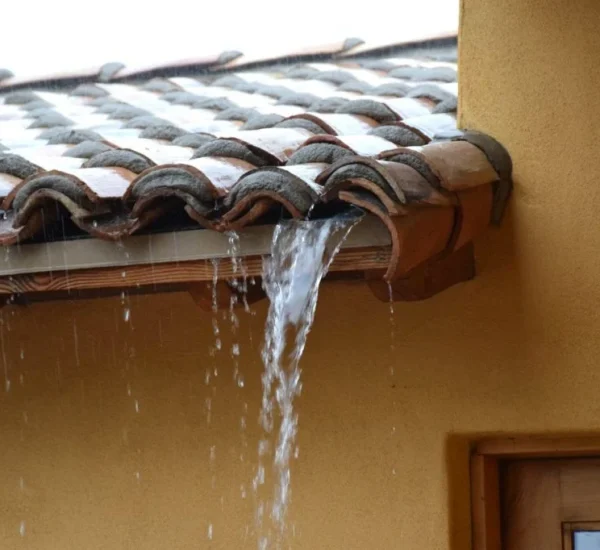
Water can also enter through the outside of your home. Damaged roofing, blocked gutters, deteriorated seals, and poor drainage can allow water to reach areas that should remain dry.
Keep gutters and drainage systems clear and inspect exterior surfaces periodically. Check around windows, doors, and other openings for damaged seals or gaps. Maintaining these areas can reduce the likelihood of rainwater entering the property.
Act Quickly After An Incident
Delaying action after water damage can increase the potential for structural deterioration, unpleasant odours, and mould-related problems. Even when visible water appears limited, moisture can remain underneath flooring, behind walls, or inside other materials.
If significant water damage occurs, have the property assessed promptly and follow an appropriate mitigation and restoration process. Professional assessment can help identify hidden moisture and determine the safest way to address the affected areas.
Protecting your home from water requires both prevention and preparedness. By identifying risks, maintaining plumbing and exterior systems, using water mitigation promptly after an incident, and arranging appropriate water damage restoration, homeowners can reduce the impact of water-related problems and protect the long-term condition of their property.

Related Posts